
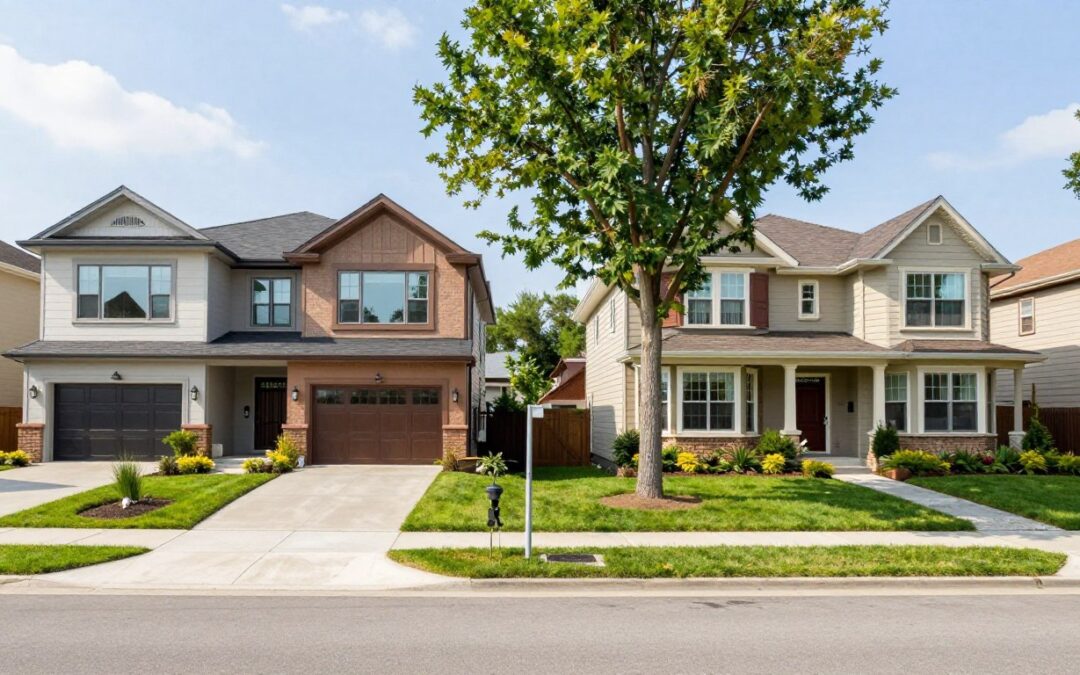
Picking between new construction and existing homes ranks as one of the biggest decisions you’ll make in the United States real estate market. Both paths come with distinct advantages and challenges that shape your buying experience. New construction homes offer fresh starts with modern features and warranties. Existing homes provide established neighborhoods with character and settled communities.
Understanding the differences between these two options helps you make a smart choice. Your budget, lifestyle needs, and long-term goals all play a role in this decision. New construction homes appeal to buyers seeking the latest technology and design trends. Existing properties attract those who value location history and immediate availability.
This guide walks you through the key factors that matter most. You’ll learn about costs, maintenance, customization, and investment potential. Whether you’re buying your first home or expanding your real estate portfolio, the insights ahead apply to your situation. Armed with clear information, you can confidently choose the path that fits your dreams and financial plans.

Key Takeaways
- New construction homes come with builder warranties and modern energy-efficient systems
- Existing homes typically offer lower purchase prices and established neighborhood amenities
- New construction allows for personalization during the building phase
- Resale value depends on market conditions and neighborhood development patterns
- Maintenance costs differ significantly between newer and older properties
- Location accessibility affects your daily commute and lifestyle quality
- Energy bills vary based on insulation quality and heating system efficiency
Understanding the Appeal of New Construction
New Construction homes attract many buyers because they offer something different from older properties. These homes come with modern features that fit how families live today. Buyers love the idea of getting a home built with the latest standards and technology. New Construction provides a sense of freshness and newness that appeals to families wanting a move-in-ready experience.
When you buy a New Construction home, you get benefits that older houses simply cannot match. The design and layout work well for today’s lifestyle. Energy systems run more efficiently. Smart home technology comes built in. Everything feels new and works the way it should on day one.
Benefits of Modern Design
Modern design in New Construction homes brings real advantages to everyday living. Contemporary layouts create open spaces that families enjoy. Builders use high ceilings and smart floor plans that make homes feel bigger and brighter.
- Open-concept living areas that connect kitchens to dining and family spaces
- Smart home technology integrated into walls and systems
- High ceilings that add visual space and natural light
- Efficient storage solutions built into the design
- Modern kitchen appliances and finishes included
Warranty Advantages
One major benefit of New Construction is the warranty protection builders offer. Builders typically provide warranties that cover structural defects for up to 10 years. This gives homeowners peace of mind knowing that major issues get covered.
| Warranty Type | Coverage Period | What It Covers |
|---|---|---|
| Structural Defects | Up to 10 years | Foundation, framing, and load-bearing walls |
| Major Systems | 2-5 years | Electrical, plumbing, HVAC, and roofing |
| Workmanship | 1-2 years | Finish work and installation issues |
New Construction homes give buyers protection that older homes cannot provide. This warranty coverage means you save money on unexpected repairs during your first years of ownership.
The Charm of Established Neighborhoods
Many homebuyers discover that established neighborhoods offer something special that new construction homes cannot replicate right away. These communities feature character, history, and a sense of belonging that develops over decades. Families moving to these areas gain access to mature trees, sidewalks perfect for walking, and schools with deep roots in the community. While new construction homes deliver modern conveniences, established neighborhoods provide an irreplaceable charm.
The appeal of these mature communities extends beyond just aesthetics. Residents enjoy proximity to local parks, libraries, and shops that have served generations of families. The infrastructure stands tested and proven, with reliable utilities and well-maintained roads. These neighborhoods attract buyers seeking stability and community connection.
Why Buyers Choose Mature Communities
Established areas present distinct advantages for homebuyers weighing options against new construction homes:
- Mature landscaping with established trees providing shade and natural beauty
- Walkable streets connecting to shops, restaurants, and services
- Schools with established reputations and years of community involvement
- Lower density housing creating quieter, more peaceful environments
- Community events and neighborhood traditions bringing residents together
Choosing between new construction homes and established properties means considering what matters most to your family. Newer builds offer modern systems and warranties. Established neighborhoods deliver community roots, mature surroundings, and proven locations. Both options serve different needs for today’s homebuyers.
Financial Considerations for Homebuyers
Buying a home requires serious financial planning. Whether you’re looking at new construction homes or older properties, you need to understand all the costs involved. Two major expenses that deserve your attention are closing costs and property taxes. These expenses can add thousands of dollars to your total purchase price. Let’s break down what you need to know about these important financial factors.
Closing Costs
Closing costs are the fees and expenses you pay when you finalize your home purchase. These costs typically range from 2% to 5% of your total purchase price. For a $300,000 home, you could pay between $6,000 and $15,000 in closing costs alone.
What goes into closing costs? Many different expenses make up this total:
- Loan origination fees charged by your lender
- Appraisal fees to determine home value
- Title insurance and title search costs
- Home inspection and survey fees
- Attorney fees for legal paperwork
- Recording and transfer fees
- Homeowner’s insurance for the first year
New construction homes often have different closing cost structures than existing homes. Some builders offer closing cost assistance or incentives. Always ask your builder about what costs they cover.
Property Taxes
Property taxes vary significantly depending on your location. Each municipality sets its own tax rates based on local government needs. Your property taxes get calculated from your home’s assessed value.
Understanding property taxes helps you budget for ongoing homeownership expenses:
| State/Region | Average Effective Tax Rate | Impact on $300,000 Home |
|---|---|---|
| New Jersey | 0.76% | $2,280 annually |
| Illinois | 0.68% | $2,040 annually |
| Texas | 1.45% | $4,350 annually |
| Florida | 0.72% | $2,160 annually |
| California | 0.56% | $1,680 annually |
New construction homes may receive assessment breaks in some areas. Tax assessments happen periodically, so your taxes might increase over time. Research your local tax rates before buying in any area.
Planning ahead for closing costs and property taxes ensures you’re financially ready to purchase your dream home. Compare these expenses across different properties and neighborhoods to make a smart financial decision.
Customization Options for Modern Living
One of the greatest advantages of buying new construction is the chance to shape your home exactly how you want it. Before construction wraps up, you get to make important decisions about your living space. This means your new home feels personal and tailored to your needs from day one. The ability to customize helps create a space that works perfectly for you and your family.
When you choose new construction, builders often let you pick from different options during the building process. This hands-on approach means you’re not stuck with someone else’s choices.

Making Your Choices Count
Your selections during the building phase impact how much you enjoy your home daily. Think about what matters most to you in a living space. Different choices affect both comfort and value.
- Flooring materials like hardwood, tile, or carpet
- Kitchen cabinetry styles and finishes
- Paint colors and wall treatments
- Countertop surfaces and backsplash designs
- Fixture styles for bathrooms and lighting
- Appliance selections and brands
Building Value Into Your Investment
The customization available in new construction directly shapes your home’s worth. Smart choices during the building stage create lasting appeal. Quality finishes and timeless designs protect your investment for years ahead.
| Customization Feature | Impact on Daily Life | Effect on Resale Value |
|---|---|---|
| Premium flooring materials | Enhanced durability and appearance | Increases buyer interest |
| Modern kitchen layout | Better workflow and functionality | Strong market appeal |
| Energy-efficient windows | Lower utility bills and comfort | Attractive to eco-conscious buyers |
| Neutral color schemes | Flexible decorating options | Broader buyer appeal |
| Quality appliances | Improved cooking and cleaning experience | Valued feature for purchasers |
The personalization opportunities in new construction allow you to build a home that matches your lifestyle. Your decisions about finishes, layouts, and features create spaces that work hard for you. This thoughtful approach to home building ensures satisfaction both today and when you eventually sell.
Assessing Maintenance and Repair Needs
Every homeowner needs to plan for the reality of keeping a home in good shape. Understanding what repairs and upkeep your future home will need is a smart way to prepare your budget. New construction homes and older properties come with very different maintenance demands. Knowing what to expect helps you make a choice that fits your financial situation and lifestyle.
Long Term Upkeep
New homes come with the benefit of modern systems and fresh materials. Most builders offer warranties that cover major issues for the first few years. This means you can focus on routine care without worrying about big surprises right away.
Older homes require more attention over time. Systems like plumbing, electrical wiring, and roofing age and may need replacement or repair. Planning for these costs is important when buying an established property.
Consider these routine maintenance tasks for any home:
- Annual HVAC system inspections and filter changes
- Roof inspections every three to five years
- Gutter cleaning twice per year
- Pest control and termite inspections
- Water heater flushing and maintenance
- Foundation and basement checks
Unexpected Costs
Surprises happen with any home. A burst pipe, failing air conditioner, or roof leak can happen without warning. Setting aside money for emergency repairs is wise.
Older homes carry higher risk for unexpected expenses. Issues with plumbing or electrical systems can cost thousands of dollars to fix. New construction homes generally stay reliable longer, but they are not immune to problems.
| Home Type | Common Repairs | Typical Cost Range | Timeline |
|---|---|---|---|
| New Construction | Minor warranty repairs, appliance fixes | $500–$2,000 | Years 1–5 |
| Homes 10–20 Years Old | Roof repairs, HVAC replacement, plumbing updates | $3,000–$8,000 | Years 10–15 |
| Homes 30+ Years Old | Electrical rewiring, foundation work, major system overhauls | $5,000–$15,000+ | Ongoing |
Financial advisors recommend setting aside one percent of your home’s purchase price each year for maintenance. This helps you build a repair fund before problems arise.
“The best time to fix a home problem is before it becomes a crisis.”
Being honest about maintenance needs helps you choose the right home for your situation and avoid financial stress down the road.
Location and Commute Factors
Where you buy your home shapes your daily life in countless ways. Your location determines how long you spend commuting to work, what schools your children attend, and which stores and restaurants you can easily reach. The decision between a new construction home and an existing property often comes down to where these homes sit in relation to your lifestyle needs.
New developments typically pop up in expanding suburban areas on the outskirts of cities. Existing homes cluster in established neighborhoods closer to downtown districts and public transit systems. This geographical difference plays a big role in your quality of life and wallet.
Understanding Your Commute Impact
Your daily commute affects everything from stress levels to vehicle expenses. A shorter commute saves you money on gas, car maintenance, and time. Longer drives drain your energy and reduce hours spent with family.
Consider these commute factors when choosing between home types:
- Distance to your workplace in miles
- Average commute time during peak hours
- Public transportation availability near the property
- Highway access and traffic patterns
- Parking costs in urban areas
- Walkability to local shops and services
Weighing Neighborhood Maturity
Established neighborhoods offer immediate access to established amenities. Schools have track records. Parks are fully developed. Public transit runs regularly. Shopping centers already exist.
Newer subdivisions may lack these conveniences initially. You might wait years for shopping centers and schools to open. Transit systems take time to expand into growing areas.
| Factor | New Construction Areas | Established Neighborhoods |
|---|---|---|
| Public Transit Access | Limited or developing | Well-established routes |
| Shopping Centers | Coming soon or absent | Multiple options nearby |
| School Options | Building or planned | Proven performance records |
| Average Commute Time | 20-45 minutes typically | 10-25 minutes typically |
| Walkability Score | Lower in suburban sprawl | Higher in urban centers |
Your location choice shapes your transportation costs and work-life balance for years ahead. Think carefully about where you want to spend your time and money daily.
Energy Efficiency and Sustainability
Choosing a new construction home offers remarkable advantages when it comes to energy efficiency and environmental responsibility. Today’s builders prioritize sustainable practices that reduce your carbon footprint while cutting utility bills. New construction homes are built with the latest technology and materials designed to keep your family comfortable year-round.
Energy Star certified homes perform at least 10% better than homes built to standard building codes. This means lower monthly payments on electricity and heating bills. Buyers who care about the planet appreciate how these homes support a healthier environment for future generations.
Green Building Materials
New construction projects increasingly use eco-friendly materials that last longer and perform better. These sustainable choices include recycled steel, bamboo flooring, and low-VOC paints that don’t release harmful chemicals into your home.
- Recycled and renewable materials reduce waste
- Insulation made from sustainable sources improves temperature control
- Water-efficient fixtures decrease consumption
- Certified wood products support responsible forestry
Utility Savings
High-efficiency HVAC systems, LED lighting, and Energy Star appliances work together to dramatically lower your monthly expenses. New construction homes feature superior insulation and advanced windows that prevent heat loss.
| Feature | Annual Savings | Environmental Impact |
|---|---|---|
| Energy Star HVAC System | $300-$600 | Reduced carbon emissions |
| LED Lighting Throughout | $150-$250 | Lower energy demand |
| High-Efficiency Water Heater | $200-$400 | Decreased water waste |
| Advanced Insulation | $400-$800 | Minimal heating loss |
Investing in a new construction home means enjoying modern sustainability features that protect both your wallet and the environment. These energy-efficient upgrades make a real difference over time.
Resale Value and Market Trends
When buying a home, thinking about its future value matters just as much as the purchase price. Understanding how different property types perform in the United States real estate market helps you make a smart investment. New construction homes often start at higher prices. Their values can rise or fall depending on how many similar homes exist in your area.
Established homes in popular neighborhoods tend to hold their value well. Limited land in desirable locations means fewer homes become available for sale. This scarcity often protects property values over time.

Market Performance Across Property Types
New construction homes can appreciate quickly in growing areas. Markets with strong job growth and population increases see newer properties gain value faster. Older homes benefit from their proven locations and established community character.
| Property Type | Average Price Appreciation | Market Strength | Risk Level |
|---|---|---|---|
| New Construction Homes | 3-5% annually | Growing suburbs | Medium |
| Historic District Homes | 2-4% annually | Urban centers | Low |
| Mid-Age Homes (15-30 years) | 2.5-4% annually | Established neighborhoods | Low-Medium |
Current trends show new construction homes performing well in metropolitan areas. Supply and demand dynamics shift constantly across different regions. Buyers should research their specific local market before making decisions.
- Check recent sales data in your target neighborhood
- Review property tax trends for the area
- Study population growth forecasts
- Examine employment opportunities nearby
Smart home shoppers consider both today’s value and tomorrow’s potential. Your investment deserves careful attention to current market conditions and future possibilities.
Navigating the Buying Process
Buying a home involves several important steps. When you choose new construction, the process takes on unique characteristics that differ from purchasing an existing home. You will work directly with builders, manage construction timelines, and ensure quality standards are met. Understanding these steps helps you move through the purchase smoothly and protects your investment.
Working with Builders
Building a strong relationship with your builder is essential when purchasing new construction. Builders manage the entire construction process and handle most decisions about materials and timelines. You should ask detailed questions about their experience, past projects, and warranty coverage.
Review the builder’s reputation by checking online reviews and visiting completed homes. Request references from previous buyers. A trustworthy builder communicates clearly about delays, costs, and any issues that arise during construction.
- Review all contract terms before signing
- Understand payment schedules and deposit requirements
- Ask about the builder’s construction timeline
- Request information about warranty coverage periods
- Clarify what happens if the builder encounters problems
Inspection Requirements
Even though your new construction is brand new, hiring an independent inspector is crucial. Professional inspectors verify that all work meets building codes and safety standards. They check electrical systems, plumbing, structural elements, and mechanical components.
Schedule inspections at different construction stages. A pre-closing inspection catches any issues before you take ownership. This protects you from expensive repairs and ensures quality work.
| Inspection Stage | What Gets Checked | Timing |
|---|---|---|
| Foundation Inspection | Concrete work and grading | After foundation is poured |
| Framing Inspection | Structural integrity and framing | When walls are framed |
| Systems Inspection | Electrical, plumbing, HVAC systems | Before drywall installation |
| Final Walk-Through | All finishes and systems functionality | Before closing day |
Request a detailed inspection report that documents any defects or concerns. Share findings with your builder and request corrections before closing. Most builders address issues quickly to maintain their reputation.
“Working with a qualified inspector gives you peace of mind that your new construction investment meets all required safety and building standards.”
Understanding these buying process steps reduces stress and protects your investment in new construction. Take time to ask questions, review documents carefully, and hire qualified professionals to inspect your future home.
Conclusion
Choosing between new construction homes and existing properties comes down to what matters most to you. New construction homes offer modern technology, energy savings, and builder warranties. Older homes provide established neighborhoods, mature trees, and unique character that many buyers love.
Your budget plays a big role in this decision. New construction homes come with predictable costs and financing options. Existing homes might have lower prices in some markets. Think about your lifestyle and how long you plan to stay in your home. Consider repair costs, school districts, and your daily commute.
Take time to research your local real estate market. Talk to real estate agents, home inspectors, and lenders who know your area well. Visit neighborhoods at different times of day. Walk through homes and imagine your daily life there. This homework helps you make the right choice for your family.
Both new construction homes and existing properties can be great investments. Your perfect home is out there. Trust your instincts, review all the facts, and move forward with confidence in your decision.