
Buying a new construction home in the United States comes with unique opportunities. Unlike older homes, new construction properties offer fresh designs and modern features. You can also take advantage of special deals that builders provide to attract buyers.
This guide breaks down the key strategies for purchasing new construction homes. You will learn about incentives that builders offer, how rate buydowns work, and what financing options exist. Understanding these elements helps you save money and make smart decisions about your purchase.
Interest rates change often, which affects your monthly payments. New construction gives you leverage to negotiate better terms. Our goal is to equip you with the knowledge needed to get the best deal on your future home.
The home-buying journey can feel overwhelming. This resource simplifies the process by explaining each component of buying new construction. You will discover how to work with builders and lenders to create a deal that fits your budget.
Key Takeaways
- Builders offer incentives like upgrades and closing cost assistance to attract buyers
- Rate buydowns lower your interest rate for a set period or permanently
- Preferred lenders often provide better terms and faster approval processes
- New construction financing includes conventional loans and government-backed programs
- Negotiating upgrades and costs can save you thousands of dollars
- Understanding builder reputation ensures quality construction
- Warranties protect your investment after you move in
Understanding the Current Market for New Construction Homes
The housing market today shows strong interest in New Construction. Buyers are seeking properties that match modern living standards. The National Association of Home Builders reports that new home sales make up a meaningful share of the total market, giving families plenty of options to explore.
New construction homes offer distinct advantages in today’s competitive landscape. Fresh builds come with updated systems, modern designs, and energy-efficient technology that older homes cannot match. Understanding what drives buyers toward these properties helps you make smart decisions when shopping for your next home.
Trends in Modern Housing Developments
Modern housing developments are changing how families live. Builders focus on creating communities with practical layouts and sustainable features. These developments reflect what buyers want right now.
Key trends shaping New Construction include:
- Energy-efficient appliances and heating systems
- Open floor plans for flexible living spaces
- Smart home technology integration
- Sustainable building materials
- Outdoor living areas and green spaces
Why Buyers Prefer Fresh Builds
Buyers choose new construction homes for solid reasons. These properties require minimal repairs and maintenance right away. Everything from roofing to plumbing is brand new and under warranty.
Fresh builds offer real benefits:
| Feature | New Construction Homes | Existing Homes |
|---|---|---|
| Warranty Coverage | Full builder warranty included | Limited or no warranty |
| Energy Costs | Lower due to efficiency | Higher with older systems |
| Customization | Choose finishes and upgrades | Requires renovations |
| Maintenance | Minimal in first years | Immediate repairs often needed |
Energy efficiency stands out as a major draw for homebuyers. New construction homes use modern insulation and HVAC systems that reduce utility bills significantly. This saves families money every single month.
Customization appeals to buyers as well. When you purchase New construction, you often select your flooring, paint colors, and cabinet styles before construction starts. This personal touch makes the home feel truly yours.
Why Builders Offer Financial Incentives
Home builders understand that the real estate market moves fast. To keep projects on track and sell homes quickly, they use financial incentives as powerful tools. These offers help move inventory and maintain steady construction schedules. Buyers benefit greatly from these promotions when shopping for New Construction.
Financial incentives make purchasing more affordable and attractive. Builders want to fill their communities with happy homeowners. When you shop for New construction homes, asking about current promotions should be your first step. Sales representatives can share details about available packages for your specific lot.
Common incentive offerings include closing cost credits, upgraded appliances, and rate buydown programs. These perks reduce your out-of-pocket expenses significantly. A typical closing cost credit might cover between $5,000 and $15,000 in fees.
Builders use incentives strategically during different market conditions. When interest rates rise, they may offer rate buydowns to keep monthly payments manageable. When inventory builds up, they provide closing cost assistance. These moves benefit both the builder and the buyer.
- Closing cost credits reduce upfront expenses
- Upgraded fixtures add home value
- Rate buydowns lower monthly mortgage payments
- Landscaping packages enhance curb appeal
- Extended warranty coverage provides peace of mind
Understanding these incentives helps you negotiate better. Don’t accept the first offer. Ask about seasonal promotions and builder-specific programs. The right incentive package can save you thousands over the life of your loan.
Exploring Rate Buydowns for Buyers
Rate buydowns are financial tools that builders use to make your monthly mortgage payments smaller during the early years of homeownership. When you purchase New Construction, builders often offer these incentives to attract buyers and improve affordability. Understanding how these programs work can help you save thousands of dollars over time.
These strategies come in two main forms: permanent reductions and temporary buydowns. Each option serves different financial goals. Let’s explore what makes each approach valuable for new homeowners.
How Permanent Rate Reductions Work
Permanent rate reductions lower your interest rate for the life of your loan. The builder essentially buys down your rate by paying points upfront to the lender. This means your monthly payment stays lower forever, not just for a few years.
- You benefit from reduced payments throughout your entire loan term
- The savings continue even after you’ve owned the home for many years
- Your rate never increases back to the original amount
- Refinancing becomes easier due to your lower starting rate
This approach works best when you plan to stay in your home long-term and want predictable, affordable payments.
Temporary Buydown Strategies Explained
Temporary buydowns reduce your interest rate for a set period, usually two to three years. The most common strategy is the 2-1 buydown. Your rate drops by 2 percent in year one and 1 percent in year two. In year three, your rate adjusts to the permanent amount.
| Year | Rate Reduction | Your Benefit |
|---|---|---|
| Year 1 | 2% lower | Lowest monthly payments |
| Year 2 | 1% lower | Moderate monthly payments |
| Year 3+ | No reduction | Standard rate applies |
Temporary buydowns suit buyers who expect income growth or plan to refinance later. When you purchase new construction homes through this method, you enjoy lower payments when they matter most—during your first years of homeownership.
- Perfect for buyers expecting salary increases
- Helps you qualify for larger loans initially
- Allows time to build home equity faster
- Provides breathing room during the transition to homeownership
Both buydown strategies give you flexibility and breathing room in your budget. Talk with your builder about which option fits your financial situation best.
The Benefits of Using Preferred Lenders
Builders often work with preferred lenders who understand the ins and outs of new construction financing. These lenders know exactly how New Construction projects move forward, from foundation to final walkthrough. Choosing a preferred lender can make your entire home buying journey smoother and faster.
Preferred lenders bring real advantages to the table. They understand builder timelines, construction phases, and what paperwork you need at each step. This knowledge helps them process your loan application more quickly than traditional banks.
Why Preferred Lenders Work Better for New Builds
Working with your builder’s preferred lender offers several key benefits:
- Faster pre-approvals compared to outside financial institutions
- More accurate closing estimates since they know builder requirements
- Better understanding of construction draws and staged payments
- Smoother coordination between builder and lender teams
- Proper application of builder incentives to your loan
The Speed and Accuracy Advantage
Preferred lenders specialize in new construction deals. They move quickly through the pre-approval process because they already understand what builders need. Your closing timeline stays on track when your lender knows the building schedule.
These lenders also handle builder incentives correctly. When your builder offers rate buydowns or closing cost assistance, preferred lenders know exactly how to apply these benefits. This prevents delays and confusion at closing time.
| Lender Type | Pre-Approval Speed | Construction Knowledge | Builder Coordination |
|---|---|---|---|
| Preferred Builder Lender | 3-5 business days | Expert level | Direct partnership |
| Traditional Outside Bank | 7-10 business days | Limited experience | Communication delays |
| Mortgage Broker | 5-7 business days | Variable expertise | Indirect coordination |
Your builder recommends preferred lenders for a reason. They have tested relationships and proven track records with that specific builder. This partnership means fewer surprises and a better experience for you.
New Construction Financing Options
Choosing the right financing for your new home is one of the biggest decisions you’ll make. Different loan options offer varying benefits, interest rates, and down payment requirements. Understanding what’s available helps you select the best path for your financial situation. New construction homes often qualify for special financing programs designed specifically for buyers purchasing brand-new properties.
Before committing to any loan, take time to compare offers from multiple lenders. Each program has distinct advantages that may work better for your goals. Your choice today shapes your monthly payments and long-term affordability.
Conventional Loans for New Builds
Conventional loans are mortgages not backed by the government. These loans typically require a down payment between 5% and 20%. Lenders offering conventional financing often provide competitive interest rates to qualified borrowers with strong credit scores and stable income.
Benefits of conventional loans include:
- No mortgage insurance required with 20% down
- Faster approval process in many cases
- Flexibility in choosing your own lender
- Potential for better rates with excellent credit
Government Backed Loan Programs
Government-backed programs provide accessible options for many homebuyers. The Federal Housing Administration (FHA) offers loans requiring just 3.5% down payment for qualified applicants. This lower requirement makes FHA financing attractive for first-time buyers entering the market for new construction homes.
Popular government-backed programs include:
| Loan Program | Minimum Down Payment | Best For |
|---|---|---|
| FHA Loans | 3.5% | First-time buyers with lower down payment savings |
| VA Loans | 0% | Military members and veterans |
| USDA Loans | 0% | Rural homebuyers meeting income limits |
Compare terms and interest rates across different programs to find the option matching your needs. The right financing choice ensures long-term stability and affordable monthly payments for your new home purchase.
Negotiating Upgrades and Closing Costs
Negotiating upgrades and closing costs is one of the smartest moves you can make when buying new construction homes. Many buyers wait too long to discuss these details, missing out on valuable savings opportunities. Starting negotiations early in the contract phase puts you in the strongest position to secure better terms and add desired features to your home.
The best time to negotiate is before you sign the final purchase agreement. Builders are often more flexible during this stage compared to later in the process. Make a detailed list of upgrades you want, such as granite countertops, upgraded flooring, or energy-efficient windows. This organized approach shows builders you are serious and prepared.

Focus on the total value of your package rather than just the base price. Builders may offer credits toward upgrades instead of reducing the home price. This strategy works well for both parties and can save you money on new construction projects.
Key Items to Negotiate
- Appliance upgrades and brands
- Flooring materials and installation
- Kitchen and bathroom fixtures
- Paint colors and finishes
- Closing cost assistance from the builder
- Property tax and insurance escrow amounts
Closing costs typically range from two to five percent of your home’s purchase price. Ask if the builder will cover a portion of these expenses. Some builders offer closing cost credits as incentives to attract buyers in competitive markets.
Being prepared with specific requests and staying flexible on certain items gives you an advantage when negotiating with builders on new construction projects.
Evaluating Builder Reputation and Quality
Before you sign any contract, take time to learn about the builder’s track record. A strong reputation tells you a lot about what to expect from your New Construction investment. Builders who stand behind their work are open about their process and eager to show what they’ve built. Visiting completed homes and talking to homeowners gives you real insights into quality and customer satisfaction.
Understanding how builders construct New construction homes matters for your peace of mind. You want to know about the materials they use, their building techniques, and their attention to detail. Reputable builders share this information willingly.
Researching Past Projects
Start your research by asking builders for a list of completed projects in your area. Visit these neighborhoods and look at the homes in person. Notice the craftsmanship, landscaping, and overall appearance of the properties. Speak with current homeowners about their experiences during the building process and after they moved in.
Online reviews and local builder associations provide valuable information. Check resources like the Better Business Bureau and the National Association of Home Builders to verify credentials. Ask for references and actually call those homeowners.
- Request photos and walkthroughs of similar completed homes
- Visit multiple neighborhoods with the builder’s work
- Interview current homeowners about their satisfaction
- Check online ratings and customer reviews
- Verify licenses and certifications with state agencies
Understanding Construction Standards
Quality builders follow strict building codes and industry standards. They use durable materials and proven construction methods that ensure your home lasts for decades. Ask the builder about their quality assurance processes and inspections during construction.
A transparent builder will explain the materials used in walls, roofing, flooring, and foundations. They’ll discuss energy efficiency ratings and how their homes perform compared to industry standards.
| Construction Quality Indicator | What to Ask | Why It Matters |
|---|---|---|
| Material Selection | What brands and grades of materials do you use? | Quality materials last longer and reduce future repairs |
| Energy Efficiency | What is your home’s energy rating? | Better efficiency saves money on utilities |
| Inspection Schedule | How many inspections occur during building? | Regular inspections catch problems early |
| Warranty Coverage | What defects does your warranty cover? | Protection against construction flaws |
| Building Timeline | What is your typical completion schedule? | Reliable timelines show professional management |
Ask about third-party inspections and certifications. Builders who welcome independent inspectors demonstrate confidence in their work. Request detailed specifications for your home and keep copies for your records. This documentation proves what was promised and what was built.
The Timeline of the Building Process
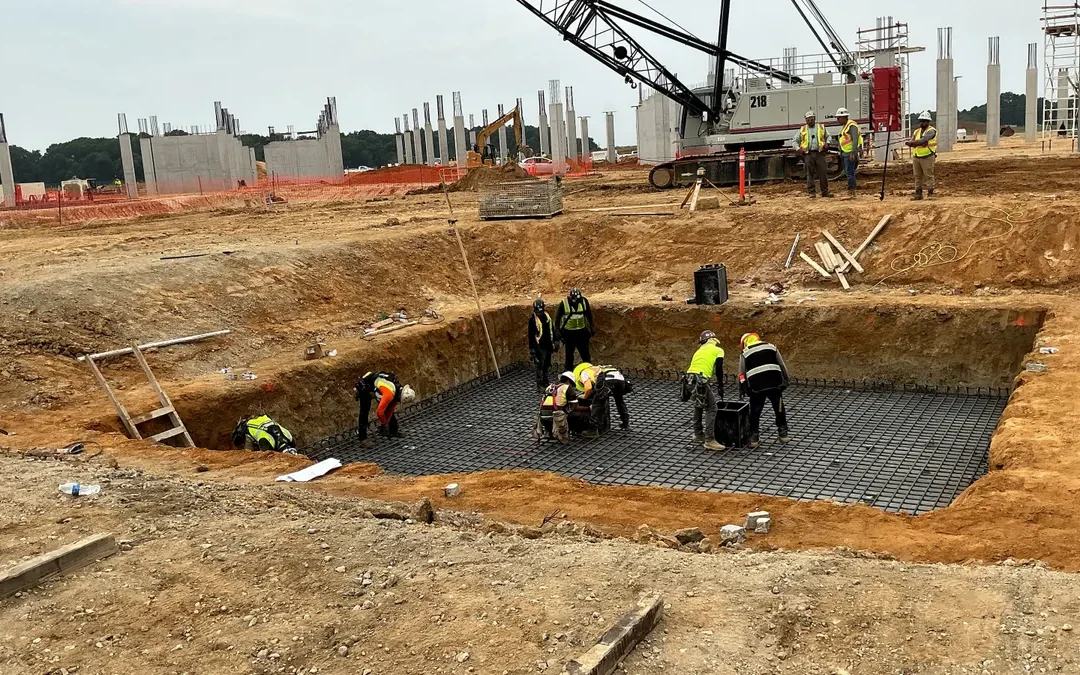
Building new construction homes involves many steps that take time to complete. The entire process from groundbreaking to moving day typically spans several months. Understanding this timeline helps you plan your move and stay informed about what to expect.
The construction schedule for new construction homes depends on several factors. Design complexity, weather conditions, and material availability all affect how long building takes. Most homes take between four to twelve months to complete, though this varies by region and builder.
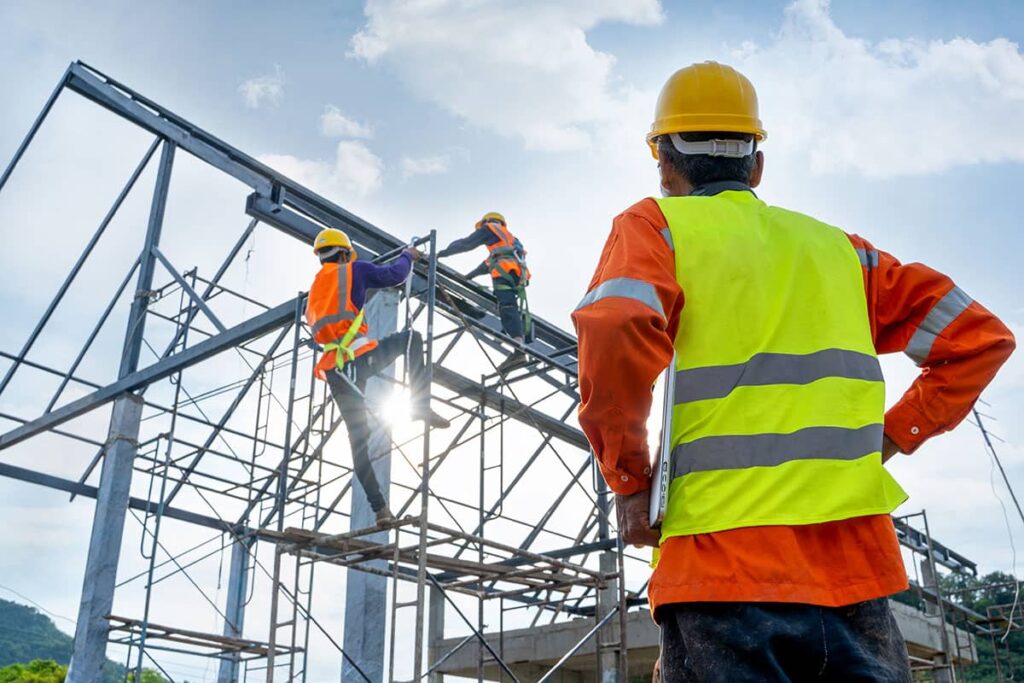
Staying in contact with your builder keeps you updated on progress. Regular communication helps you spot potential delays early. Builders can alert you to weather issues, supply chain problems, or other obstacles that might slow construction.
Here are the main stages you should know about:
- Site preparation and foundation work – This takes two to four weeks and involves clearing the lot and pouring the foundation
- Framing – Usually takes three to six weeks to build the home’s basic structure
- Systems installation – Plumbing, electrical, and HVAC work happens over four to eight weeks
- Drywall and interior finishing – This stage can take six to ten weeks for painting and trim work
- Final inspections and walk-throughs – Last two to four weeks before closing
Knowing these milestones helps you plan with greater confidence and prepare for your move-in date accurately.
Final Walkthroughs and Warranty Coverage
Before you sign the final paperwork, a thorough inspection of your new construction homes is critical. This walkthrough gives you the chance to verify that everything matches what you agreed upon with your builder. The timing matters—most inspections happen three to seven days before closing. This window allows builders to fix any small problems before you take ownership.
Understanding your warranty protection is just as important as the walkthrough itself. Your builder warranty shields you from unexpected structural or mechanical failures down the road. Taking time to read and understand these documents now prevents surprises later.
What to Look for During Inspection
Walk through every room with a checklist in hand. Look for cosmetic issues like paint drips, scratches on flooring, or damaged trim. Test all light switches, faucets, and appliances to confirm they work properly. Check that doors and windows open and close smoothly without sticking.
Don’t overlook the small details. Look at caulking around tubs and showers for gaps. Inspect baseboards and crown molding for proper installation. Walk the entire property outside and check the landscaping, driveway, and exterior finishes.
- Test all electrical outlets and switches
- Check for water stains or leaks inside cabinets
- Verify all agreed-upon upgrades were installed
- Inspect tile and countertop surfaces for damage
- Confirm all doors lock and unlock properly
Understanding Your Builder Warranty
Builder warranties typically come in different coverage periods. Most homes include a one-year warranty on workmanship and materials. Structural defects usually have longer coverage periods, sometimes up to ten years depending on your state and builder.
| Warranty Type | Coverage Period | What It Covers |
|---|---|---|
| Workmanship Warranty | 1 Year | Labor defects, installation issues, paint problems |
| Material Defects | 1-2 Years | Manufacturing flaws in appliances and fixtures |
| Structural Coverage | 5-10 Years | Foundation cracks, framing problems, roof leaks |
| System Failures | 2-5 Years | HVAC, plumbing, electrical system malfunctions |
Keep all warranty documents in a safe place. You’ll need them if issues arise. Most builders require you to report problems within a specific timeframe. Reading the fine print helps you understand what’s covered and what isn’t.
Your warranty is your safety net for homeownership. Understanding its terms protects your investment from day one.
Ask your builder about their warranty process. How do you report problems? How quickly will they respond? What’s the procedure for getting repairs done? Getting these answers now saves frustration later when you need assistance.
Conclusion
Buying a new construction home is an exciting journey that comes with many choices. You now understand the key strategies that can help you save money and get the best deal. Rate buydowns, builder incentives, and preferred lender programs all work together to lower your costs. Each tool has its own benefits that fit different situations.
The process of purchasing a new home requires you to think about more than just the price. Builder reputation matters a lot for your long-term satisfaction. Quality construction standards and solid warranty coverage protect your investment. Taking time to research past projects and inspect your home carefully sets you up for success. These steps ensure you get what you paid for.
As you move forward with your new construction purchase, use the information from this guide to make smart decisions. Ask questions about financing options, negotiate upgrades, and understand closing costs. Work with your builder and lender to find the best path for your needs. By following these strategies, you can secure a fantastic deal on your dream home and enjoy your new space for years to come.